


Prof Len Marais
Specialist Orthopaedic Surgeon
Orthopaedic Infections, Orthopaedic Oncology, Hand, Limb Reconstruction
Surgery of the hand
Hand surgery involves the treatment of conditions of the hand, wrist and elbow, including the bones, joints, muscles, tendons and nerves of the upper limb. This includes conditions like injuries, infections and degenerative conditions like osteoarthritis. Many conditions can be treated nonoperatively and this is typically the first line treatment. However, in some cases surgery treatment may be necessary.
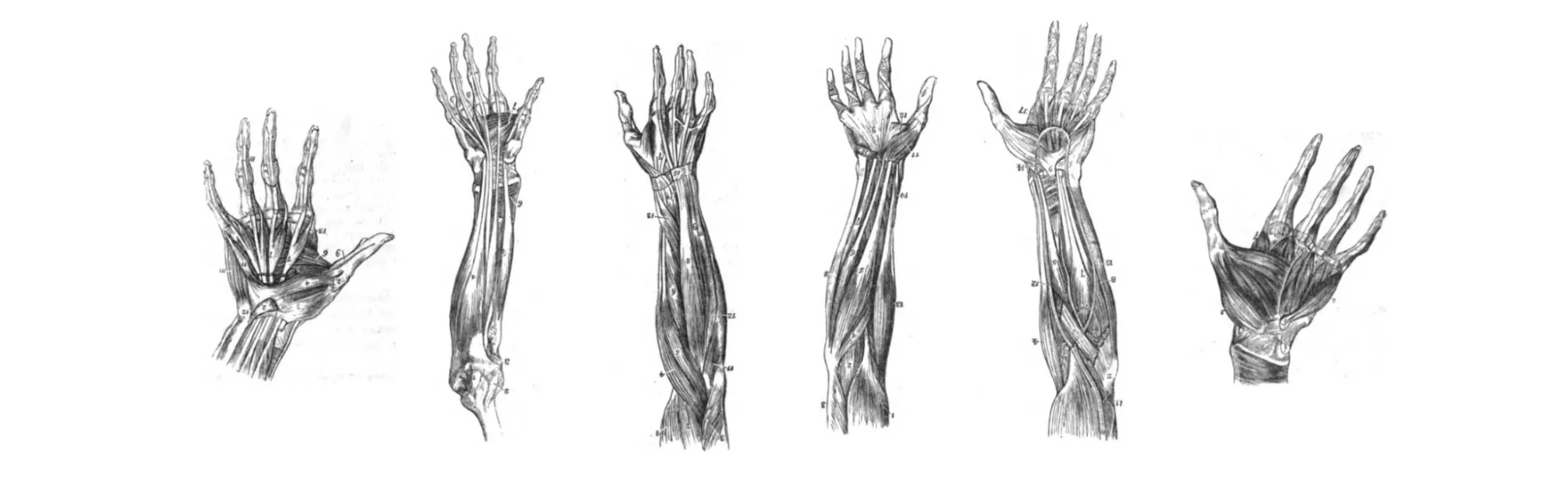
Common conditions affecting the hand:
Trigger finger
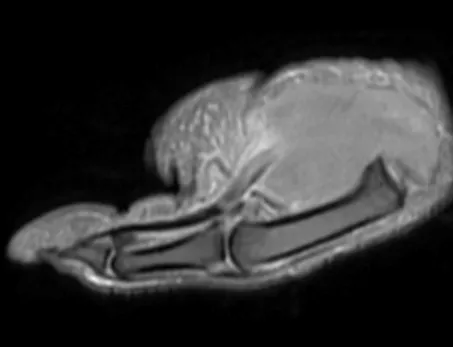
Trigger finger is a condition where one of your fingers or the thumb gets stuck in a bent position, sometimes accompanied by a popping or snapping sensation when you try to straighten it. This happens because the tendons that help bend your fingers become irritated and swollen, causing a thickening or nodule on the tendon and narrowing of the tunnel (called a pulley) through which the tendon moves. As a result, the tendon has difficulty gliding smoothly, leading to stiffness, pain, and sometimes the finger locking in a bent position. Treatment options include rest, anti-inflammatory medications, splinting, steroid injections to reduce inflammation, and, if necessary, minor surgery to cut the pulley and free the tendon, allowing smooth movement.
Carpal tunnel syndrome
This condition occurs when the median nerve, which runs from the forearm into the palm of the hand, is compressed or squeezed at the wrist. This nerve controls sensations and some muscle movements in the hand and fingers. Symptoms often start gradually with tingling, numbness, or pain in the thumb, index, middle, and part of the ring finger. These sensations can be worse at night or upon waking, sometimes causing a person to shake their hand for relief. As the condition progresses, weakness or clumsiness in the hand can develop, making it harder to grip objects or perform fine motor tasks. Treatment typically begins with wrist splinting, especially worn at night to keep the wrist in a neutral position and reduce pressure on the nerve. Activity modification, such as avoiding repetitive wrist motions can help. Anti-inflammatory medications or steroid injections may reduce swelling and discomfort in certain cases. If symptoms persist or worsen, surgery to relieve pressure on the nerve by cutting the ligament over the carpal tunnel may be necessary, often resulting in significant symptom improvement.

Dupuytren’s disease
Dupuytren’s contracture is a hand condition where the tissue beneath the skin of the palm thickens and forms nodules or cords. Over time, this thickened tissue tightens and pulls one or more fingers toward the palm, causing them to bend and making it difficult or impossible to fully straighten them. It usually affects the ring and little fingers and develops slowly, often in middle-aged or older adults. The exact cause is not fully understood but can be linked to genetics, diabetes, or smoking. Early in the process, treatment may not be necessary if function is not impaired. When the contracture limits hand function, needle aponeurotomy (a minimally invasive procedure) or surgery to cut or remove the thickened tissue can improve hand function and prevent progressive deformity.

Tennis elbow
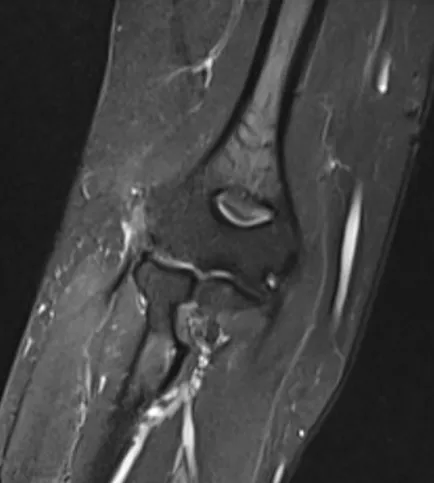
Tennis elbow, or lateral epicondylitis, is a painful condition caused by overuse or repetitive strain injury of the muscles and tendons on the outside of the elbow. It commonly occurs in people who perform repetitive wrist and arm activities, such as tennis players, painters, or manual laborers. Symptoms include pain and tenderness on the outer elbow that may extend down the forearm, worsened by gripping or lifting objects. Treatment usually begins with rest and avoiding activities that cause pain. Ice and anti-inflammatory medications can help reduce pain and swelling. Physical therapy exercises focus on stretching and strengthening the forearm muscles. In persistent cases, corticosteroid injections or surgery may be recommended to relieve pain and promote healing.
Thumb arthritis
Arthritis at the base of the thumb, also called basal joint arthritis, affects the joint where the thumb meets the wrist. It causes pain, stiffness, and weakness in the thumb, especially when gripping, twisting, or pinching objects like keys or jars. Over time, this can limit hand use and reduce strength. Treatments include thumb splints to support and reduce stress on the joint, anti-inflammatory medications, and corticosteroid injections to relieve pain. When conservative measures are insufficient, surgery to relieve pain and restore function may be an option.
Arthritis of wrist
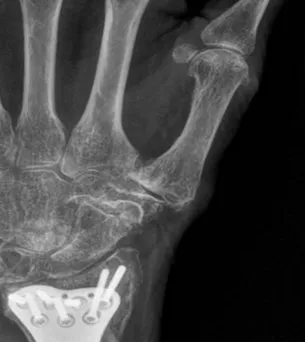
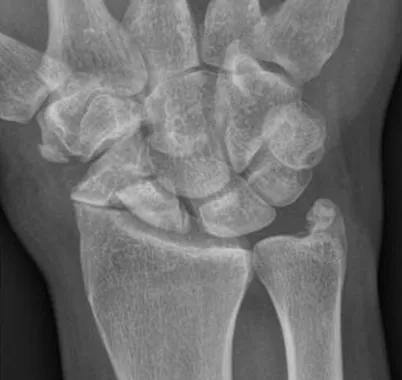
Wrist arthritis is a condition where the cartilage protecting the bones in the wrist joint wears down, leading to joint pain, stiffness, swelling, and sometimes loss of motion. It can result from wear and tear (osteoarthritis), inflammatory diseases like rheumatoid arthritis, or injury. Patients may have difficulty with gripping, twisting, or performing daily tasks. Treatment includes medications to reduce pain and inflammation, splints or braces to support the wrist, and hand therapy to maintain strength and flexibility. In more severe cases, surgical options such as joint fusion or joint replacement may be considered to relieve pain and restore function.
Arthritis of the finger joints
Arthritis affecting the small joints of the fingers causes pain, swelling, stiffness, and sometimes deformity, making it difficult to bend or straighten the fingers. This may be due to osteoarthritis, rheumatoid arthritis, or other types of inflammatory arthritis. The affected joints may also appear enlarged or crooked. Treatment aims to control pain and maintain hand function with medications, splints, and exercises. In some cases, injections or surgery may be necessary to improve movement and reduce deformities.

Fractures and injuries to the hand
Fractures (broken bones) and dislocations (bones forced out of their normal joints) in the hand commonly result from trauma, falls, or accidents. These injuries cause immediate pain, swelling, bruising, deformity, and difficulty moving the hand or fingers. Prompt medical evaluation is essential to properly realign the bones or joints and immobilize them with casts, splints, or in some cases, surgery involving pins, plates, or screws. Early treatment helps ensure good healing and restores hand strength and dexterity. Rehabilitation with physical therapy after immobilization is important to regain full hand function and prevent stiffness.
