


Prof Len Marais
Specialist Orthopaedic Surgeon
Orthopaedic Infections, Orthopaedic Oncology, Hand, Limb Reconstruction
Orthopaedic Infections
Orthopaedic infections are complex conditions that can be very challenging to treat. Common examples include postoperative infections (infections following orthopaedic surgical procedures), fracture-related infections (infections associated with open fractures or following operations for broken bones) and prosthetic joint infections (infections following joint replacements like hip and knee replacements). Other osteoarticular infections include acute and chronic osteomyelitis (infection of bone), septic arthritis (joint infections) and other soft tissues infection involving the extremities like hand infections.
Periprosthetic joint infection
Periprosthetic joint infection (PJI) is an infection that occurs in the tissues surrounding an artificial joint implant, such as a hip or knee replacement. It can happen soon after surgery or even years later and is caused when bacteria enter the area around the implant, sometimes during surgery or from infections elsewhere in the body spreading through the bloodstream. Symptoms include increasing joint pain, swelling, redness, warmth, wound drainage, stiffness, or feeling that the joint is loose or unstable. Prompt diagnosis and treatment is essential to avoid long term problems. Diagnosis involves clinical examination, blood tests for inflammation, imaging, and taking fluid from the joint to test for bacteria. Treatment usually requires a combination of surgery and antibiotics because bacteria form protective layers called biofilms on the implant that make infections hard to clear. Surgical options range from cleaning the infected area while keeping the implant, to removing and replacing the implant either in one or two stages. Managing PJI often involves a team of specialists to ensure infection control and restore joint function, aiming to relieve symptoms and improve quality of life. At Midlands Orthopaedics Prof Marais and Dr McAllister typically work together when dealing with these very challenging infections and when performing the reconstruction procedures that are often required.
Fracture-related infections
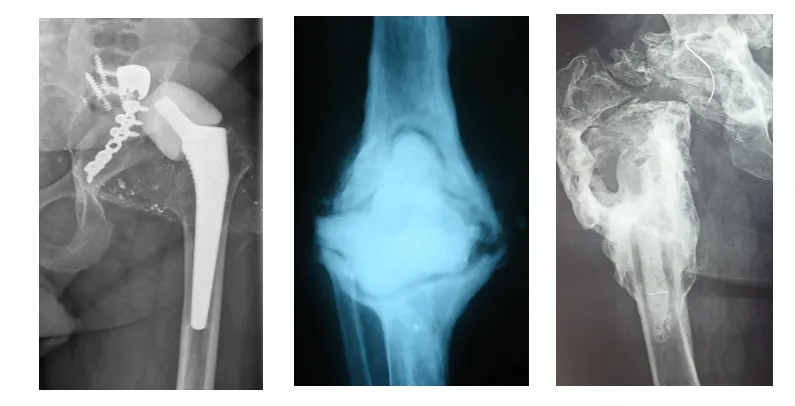
Fracture-related infections occur when bacteria infect a broken bone or the implants used to stabilize a fracture. Management is complex and often involves surgical treatment to obtain samples to identify the bacteria causing the infection, to remove infected or dead bone tissue or implants, drain any pus or abscesses, to stabilize the bone using metal hardware if needed, and to reconstruct the soft tissues over the fracture. Following surgery, extended duration antibiotic therapy is typically needed to eradicate the offending bacteria. Sometimes multiple surgeries are required to completely clear the infection. Early diagnosis and treatment are very important to prevent the infection from spreading and causing permanent damage. Throughout treatment, healing is monitored closely. A combined approach of antibiotics and surgery offers the best chance for recovery and returning to normal function
Postoperative infections
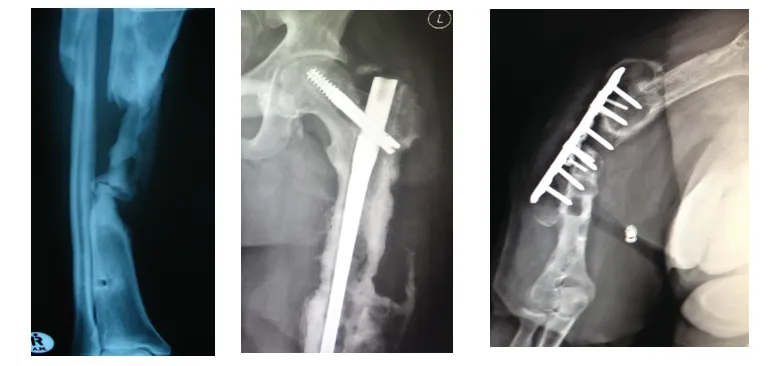
Postoperative infections can occur after any orthopaedic surgery occur when bacteria infect the area around the surgical wound, leading to redness, swelling, pain, warmth, and sometimes pus or fever. These infections can develop soon after surgery or even later and are one of the more common complications after bone or joint operations. Treatment depends on the severity of the infection and may include antibiotics to fight the bacteria and, in some cases, additional surgeries to clean the infected area or remove infected material. Early recognition and treatment of postoperative infections are important to avoid complications and promote healing.
Osteomyelitis
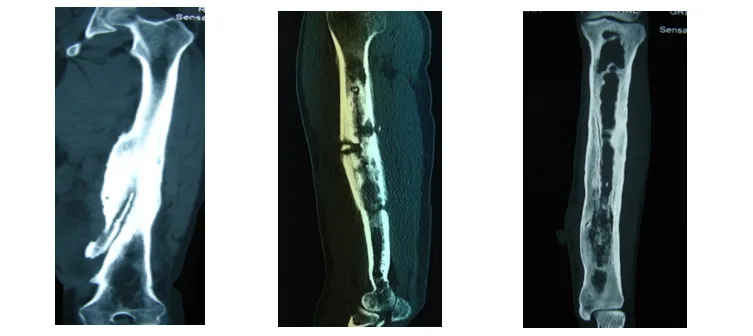
Acute haematogenous osteomyelitis is a bacterial infection of the bone that usually occurs suddenly after bacteria enter the bloodstream and settle in the bone, often seen in children. It causes rapid bone pain, swelling, fever, and redness, and if treated early with antibiotics and sometimes surgery to drain abscesses, it usually heals well. Chronic haematogenous osteomyelitis occurs when the infection persists untreated or incompletely treated, leading to ongoing inflammation, the death of bone tissue (called sequestra), and the formation of sinus tracts that drain pus. Chronic infection can cause long-term pain, swelling, and bone damage. Management of chronic osteomyelitis often requires more aggressive surgery to remove dead bone and infected tissues, combined with long-term antibiotics. Early diagnosis and treatment are essential to prevent progression from acute to chronic infection and to protect bone health and function
Septic arthritis
Septic arthritis is a serious infection in a joint caused by bacteria that spread through the bloodstream or enter through an injury or surgery. It causes severe joint pain, swelling, redness, warmth, and fever, and the affected joint can become stiff and difficult to move. The knee is the most commonly affected joint, but other large joints like the hip, shoulder, and ankle can also be involved. Treatment requires prompt antibiotics and often surgery to drain the infected fluid and clean the joint to prevent permanent damage. Early treatment is important to relieve pain, remove the infection, and save the joint from long-term problems.